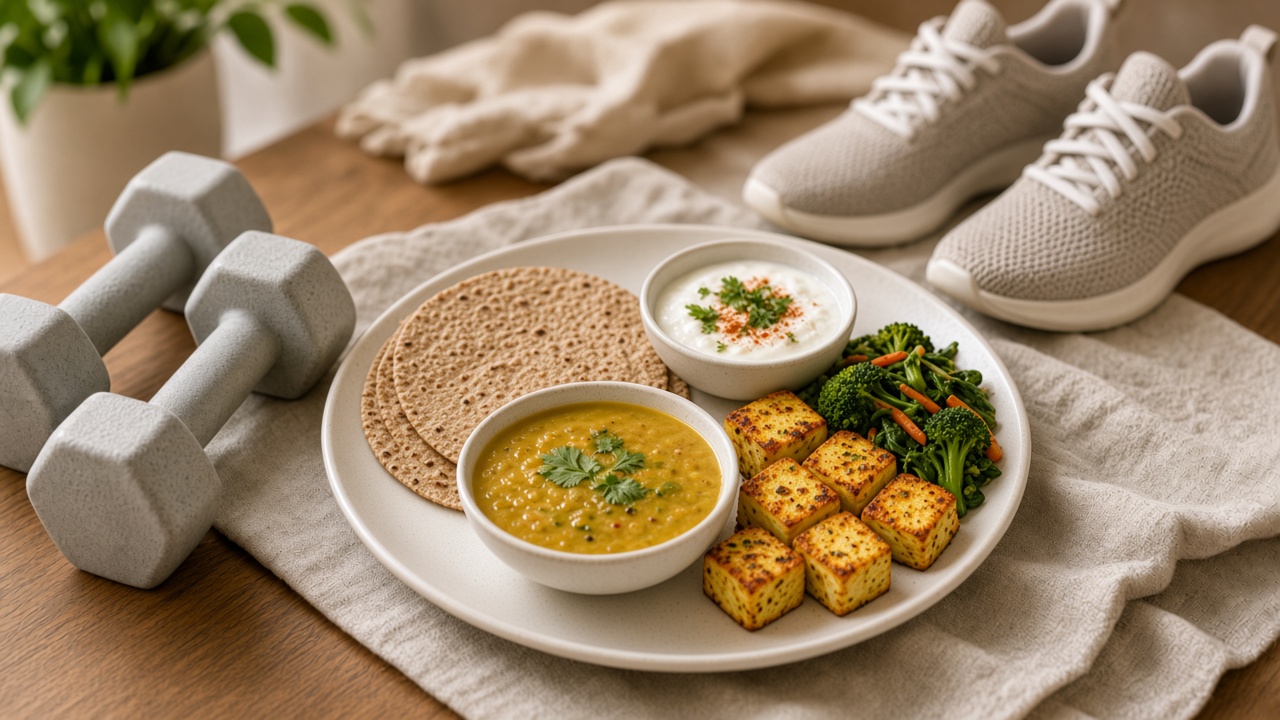
Every consulting room eventually hosts the same negotiation: “Doctor, I am on medicine — why is my sugar still high?” Often the honest answer is on the thali, not missing from the strip.
Medicines matter. Exercise matters. Sleep and stress matter. For Indian households, though, diet remains the make-or-break. Three daily collisions with refined carbohydrate — white rice mounds, maida snacks, sugary chai, late dinners — will outrun many tablets. A protein-forward, fibre-rich, portion-disciplined plate can flatten spikes before any new prescription is written.
That claim is clinical, not motivational. The ADA consensus report on nutrition therapy treats individualised medical nutrition therapy as core care. The 2026 Standards chapter on health behaviours notes meaningful A1c improvements when eating patterns are coached and sustained — often in the range of several tenths to over a percentage point, depending on the person and the programme.
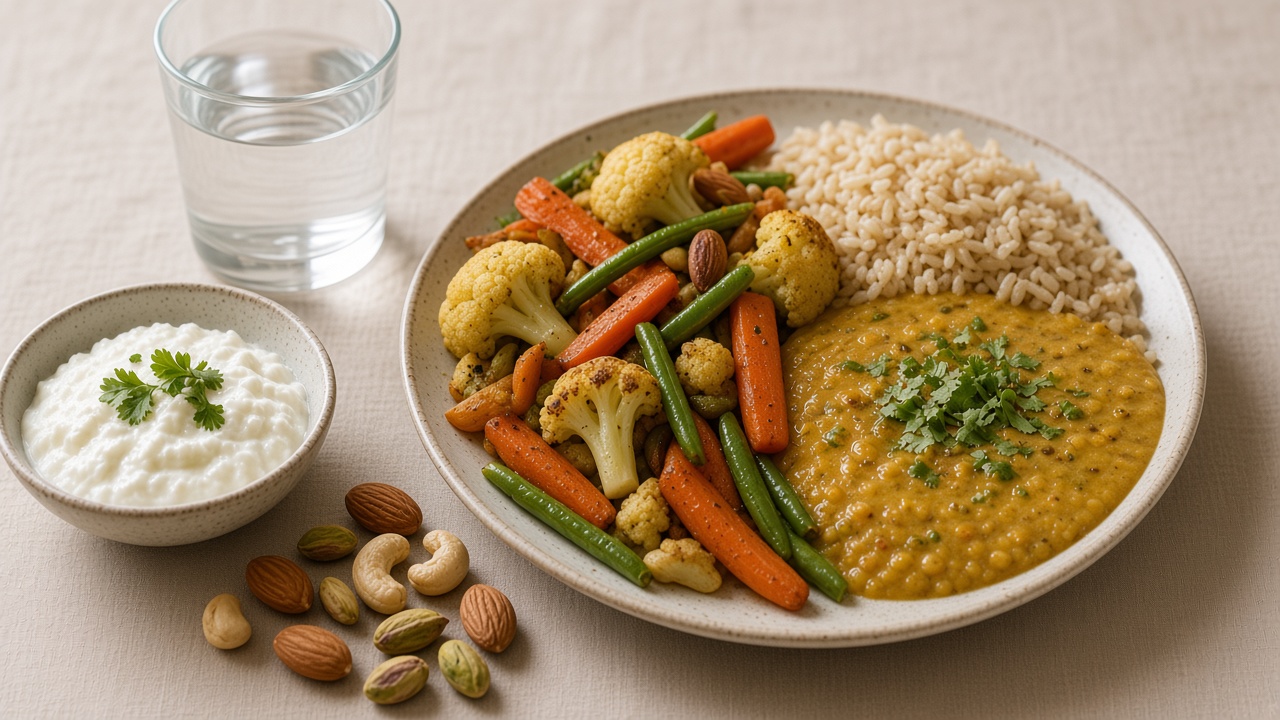
What “make-or-break” looks like on an Indian plate
- Reverse the hero. Dal, curd, paneer, eggs, fish, soy, or lean meat first; cereal as supporting actor. Vegetables occupy more real estate than rice or roti when spikes dominate.
- Cut the invisible sugars. Sweetened chai, juices, bakery maida, and “only a little” evening mithai accumulate faster than festival logic admits.
- Steady the clock. Irregular late dinners feed both post-meal spikes and the next morning’s cortisol-shaped fasting test — the biology in Part 1.
- Walk the largest carb meal. Ten to fifteen minutes after lunch or dinner is free pharmacology for the post-prandial curve.
Portion discipline beats exotic recipes abandoned in three weeks. A smaller mound of rice beside a larger share of dal and sabzi is often more durable than a perfect meal plan nobody can sustain through a Delhi workweek.
Diet without feedback is guesswork
People argue about millets, intermittent fasting, and protein shakes in the abstract. Glucose does not argue — it curves. That is why this series pairs the plate with a periodic CGM audit in Part 3: wear the sensor for about fourteen days, learn which breakfast is quiet and which dinner is chaos, then live those lessons for the next quarter.
- Change one staple at a time so you can see the effect
- Keep a three-day food note during any CGM fortnight
- Do not confuse a “detox weekend” with a pattern your pancreas can trust
The plate that beats the tablet is the one you can repeat on a Tuesday.
What to do this week
1. Rebuild one meal — usually dinner.
Protein and vegetables first; cereal last and less. Move dessert off the nightly calendar.
2. Protect the overnight gap.
Finish the main meal earlier when life allows. Late grazing is a common bridge between “I ate well” and a disappointing fasting meter.
3. Schedule a learning fortnight.
Ask your physician whether a two-week CGM belongs on your next quarterly plan — then bring the Ambulatory Glucose Profile back with honest meal notes.
4. Keep medicines in the partnership.
Diet is make-or-break; it is not a substitute for prescribed therapy. Never stop tablets or insulin because a salad felt virtuous.
The clinical takeaway
Tablets without plate change are expensive optimism. Plate change without occasional measurement is hope without a dashboard. Together — and revisited every few months — they teach the pattern your HbA1c is trying to summarise. For ranges, age-wise A1c targets, and how the three levers fit, return to the series overview.
Medicines help. The plate decides.

This article is general educational content by Dr. Amitabh Parti. It is not a substitute for individual medical advice. Please consult a qualified physician for guidance specific to your condition.
Respond to this essay
Thoughts, questions, or a letter of your own? Dr. Parti reads correspondence at amitabhparti@gmail.com. Please do not send clinical questions or personal medical details — this is not a consultation channel.