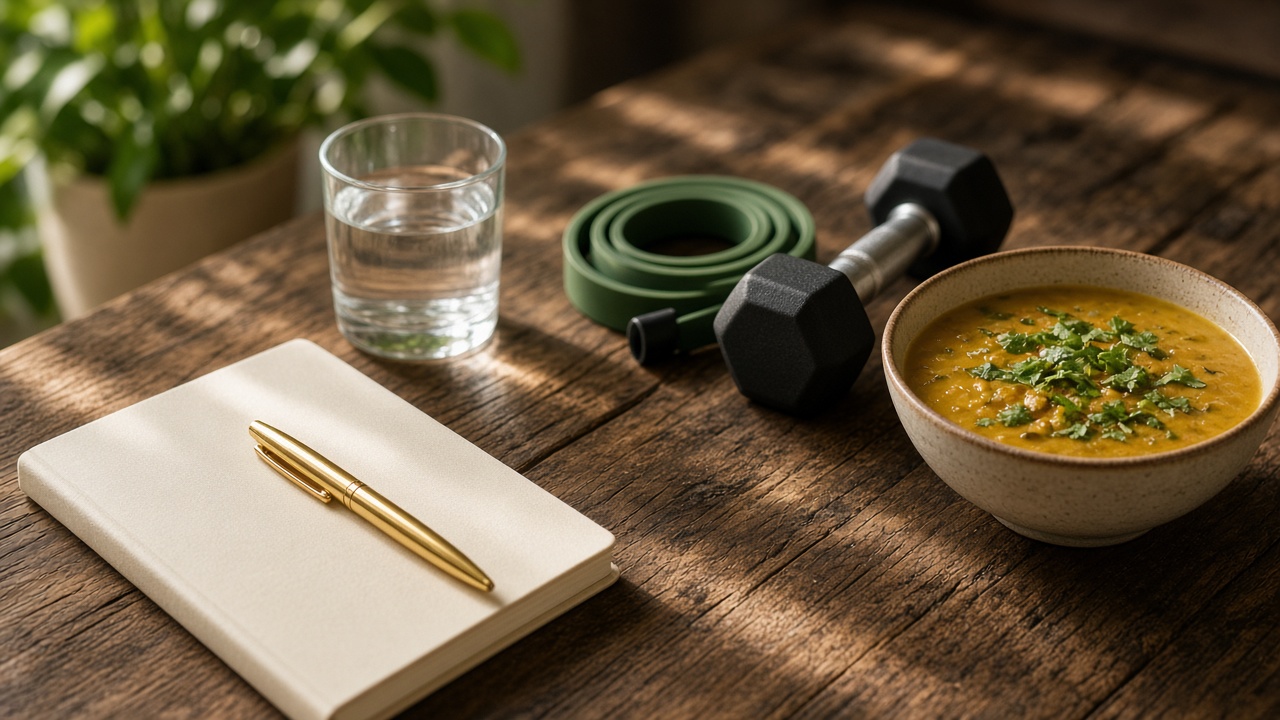
What if you are losing weight, but also losing something your body desperately needs?
We celebrate when the weighing scale shows fewer kilos. The number falls, clothes fit differently, photographs look “better,” and the room fills with congratulations. But here is something we often overlook. When we lose weight, we do not always lose just fat. We can also lose lean body mass — including muscle. And muscle is much more important than most people realise.
Muscle helps regulate blood sugar. It supports resting metabolism. It maintains strength, balance, and the ability to rise from a chair without negotiation. It keeps us active as we age. Lose enough of it, and the lighter body on the scale can still be metabolically fragile: weaker, slower, more insulin-resistant, and less resilient to illness.
This is especially important for people experiencing rapid weight loss — including those taking GLP-1 medications such as semaglutide or tirzepatide. These medicines can be powerful tools in obesity and metabolic care. They are not a licence to ignore body composition. The goal should not simply be to become lighter. It should be to lose excess fat while protecting muscle and strength.
Three reasons the scale is an incomplete story
Fat loss and muscle loss can travel together. Calorie restriction, rapid weight drop, low protein intake, and little resistance work create a predictable pattern: the body sheds tissue it is not asked to keep. Fat may fall. Muscle may fall with it. The scale cannot tell you which.
Muscle is metabolic infrastructure. Skeletal muscle is the body’s largest glucose sink. When muscle mass declines — through inactivity, ageing, crash dieting, or aggressive weight loss without training — insulin resistance rises more easily, sarcopenia arrives earlier, and “successful” weight loss becomes harder to sustain. A lighter, under-muscled body often regains weight as fat.
Function matters as much as appearance. Strength to climb stairs, carry groceries, recover from fever, and stay independent in later decades is not vanity. It is clinical outcome. Healthy ageing is not only a smaller waist. It is retained lean mass and the capacity to use it.
What to do
1. Change the question you ask the scale.
Perhaps it is time we changed the question from “How much weight have I lost?” to “What have I lost along the way?” Ask also: Am I stronger than last month? Is my waist falling while my grip and sit-to-stand stay steady? Do I feel depleted, or capable?
- Track waist, energy, and simple strength markers — not weight alone
- Where available, consider body-composition assessment; where not, watch function carefully
- Treat unexplained weakness during weight loss as a signal to review the plan, not a badge of discipline
2. Fix the plate for muscle, not only for deficit.
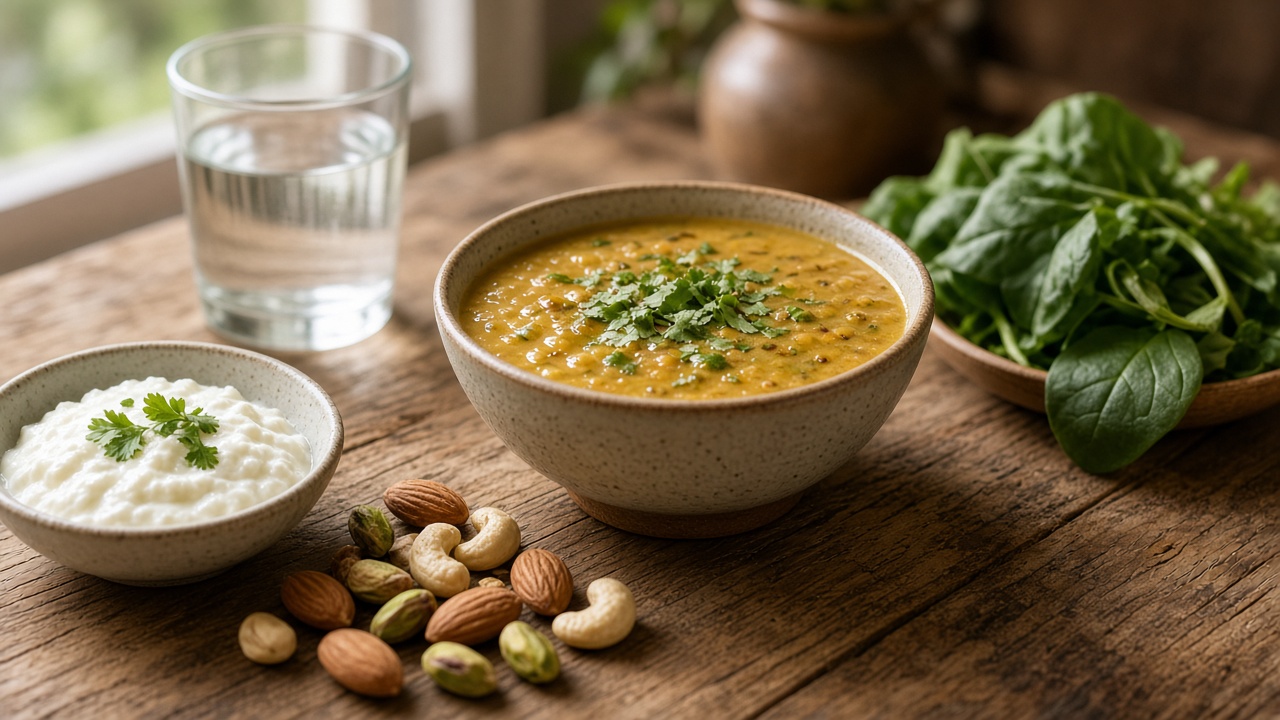
A calorie deficit can reduce fat. Without adequate protein, it also invites lean-mass loss. The Indian plate does not need to become foreign. It needs enough protein at each meal — dal, curd, paneer, eggs, fish, soy, lean meat — alongside vegetables and fibre, while refined carbs shrink to a supporting role rather than the centre of the plate.
- Build every meal around protein first, then vegetables, then controlled portions of cereal
- Avoid extreme crash diets that “work” for two weeks and strip muscle for months
- If you are on a GLP-1 medicine and appetite is low, protein becomes more important, not less — plan it deliberately when intake is small
3. Train to keep muscle — resistance is not optional.
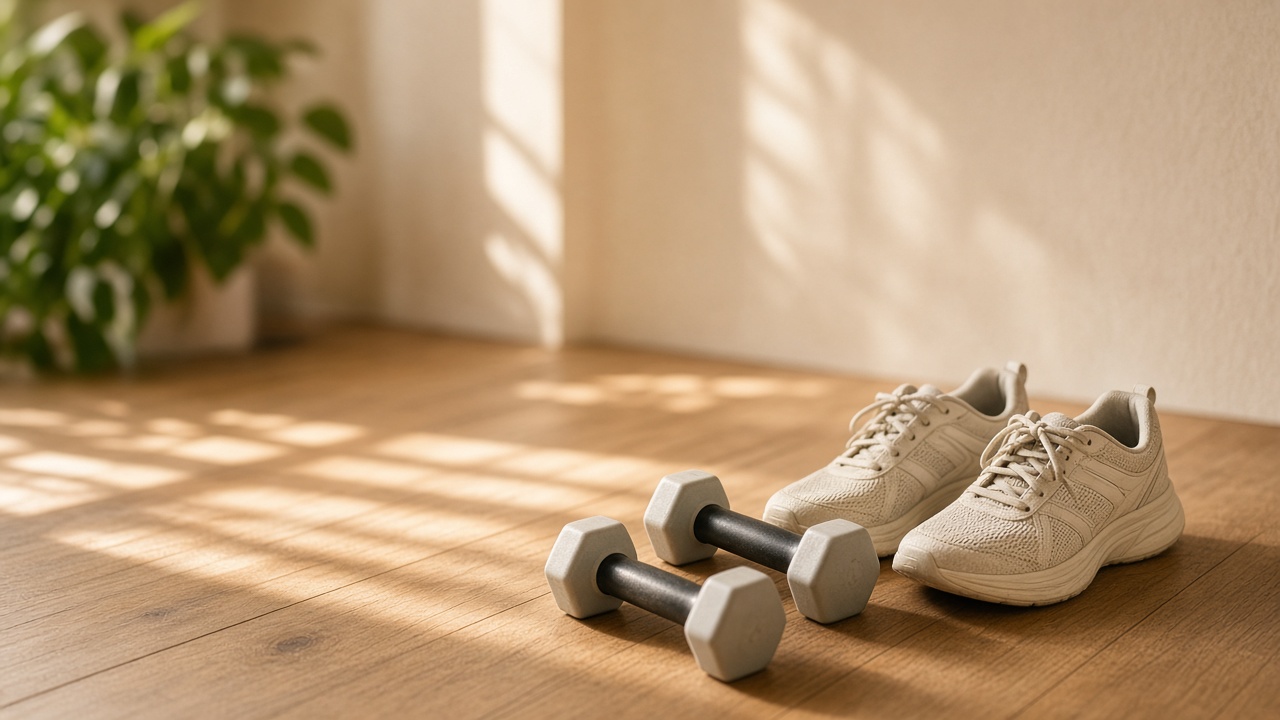
Walking helps heart and glucose. Resistance training tells the body that muscle is still required. Two to three sessions a week of bodyweight work, bands, or light weights — sit-to-stands, wall push-ups, rows, carries — change the composition of weight loss. People who “hate gyms” can still train. The medicine is the muscle recruitment, not the membership.
- Pair aerobic activity with resistance work; do not rely on walking alone during rapid loss
- Progress gradually: more repetitions, slower tempo, or slightly harder resistance over weeks
- During illness or very low intake, protect training volume rather than abandoning it entirely — even brief sessions matter
4. If you are on GLP-1 therapy, treat muscle as part of the prescription.
GLP-1 medicines can reduce appetite and accelerate weight loss. That is often the point. It is also why protein, resistance training, and clinical follow-up belong beside the pen. Obesity management is not only a smaller number. It is better metabolic health with preserved strength — especially for middle-aged and older adults, where sarcopenia risk is already rising.
- Discuss rate of loss, nutrition, and strength with your physician — not only dose titration
- Watch for excessive fatigue, hair shedding, dizziness, or rapid weakness as prompts to slow down and reassess
- Remember: the aim is fat loss with function kept intact
Lighter is not automatically healthier
Weight loss can be life-changing when it reduces visceral fat, improves glucose, eases joints, and restores confidence. It becomes a quieter injury when it steals the tissue that keeps metabolism and independence alive. One aspect of weight management that deserves more attention is muscle preservation. When someone loses weight, we should look beyond the kilos lost and understand changes in body composition, muscle strength, and physical function.
Are we paying enough attention to what the body is losing — and not just how much?
Lose fat. Protect muscle. Keep strength.
This week, add one protein-centred meal and one resistance session to the plan — then ask the better question at the next weigh-in.

This article is general educational content by Dr. Amitabh Parti. It is not a substitute for individual medical advice. Please consult a qualified physician for guidance specific to your condition.
Respond to this essay
Thoughts, questions, or a letter of your own? Dr. Parti reads correspondence at amitabhparti@gmail.com. Please do not send clinical questions or personal medical details — this is not a consultation channel.